
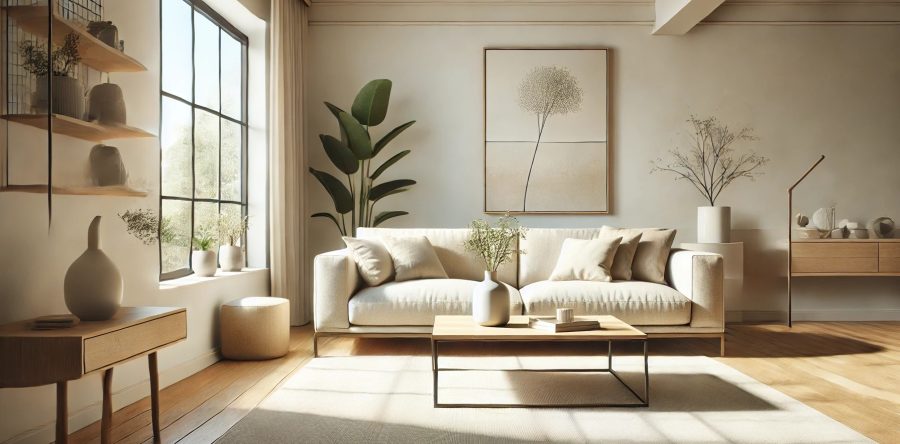
Simplifying Life: The Art of Minimalist Living
Living in a world bombarded with constant noise, distractions, and materialism, the allure of minimalism shines bright. But what exactly is minimalist living? Is it just about decluttering your physical space, or does it extend to a deeper, more profound transformation of mindset and lifestyle? Join me on a journey to explore the essence of minimalist living, uncover its benefits, and learn practical tips for embracing simplicity in your life.
What is Minimalist Living?
Minimalist living is not merely about owning fewer possessions; it's a deliberate choice to focus on what truly matters and eliminate the excess baggage that weighs us down. Imagine your life as a room completely filled with furniture, knick-knacks, handy tools, craft and sewing materials, dishes, clothes, etc. Minimalism sweeps through like a gentle breeze, clearing away the clutter and leaving behind only what is essential for you—creating space for clarity, intentionality, and joy.
The Core Principles of Minimalism
At its core, minimalist living revolves around a few key principles:
- Intentionality: Every possession, activity, and relationship in your life should serve a purpose and bring value. Ask yourself: Does this item/activity contribute to my happiness and well-being, or is it merely taking up space?
- Simplicity: Simplify your life by eliminating excess and focusing on what truly matters. It's about stripping away the hindering, unnecessary layers to reveal the beauty beneath.
- Mindfulness: Cultivate awareness and mindfulness in your daily choices. Be present in the moment, appreciating the beauty of simplicity and finding contentment in the here and now.
Benefits of Minimalist Living
Embracing minimalist living can lead to a multitude of benefits:
- Reduced Stress: Clutter and excess things can overwhelm the mind, leading to increased stress and anxiety. By simplifying your surroundings and lifestyle, you create a sense of calm and tranquility.
- Increased Freedom: Minimalism liberates you from the burden of material possessions and societal expectations. With fewer belongings weighing you down, you gain the freedom to pursue your passions and live life on your own terms.
- Improved Finances: By cutting unnecessary expenses and curbing impulse purchases, you will have more financial freedom to invest in experiences rather than possessions.
- Enhanced Relationships: Minimalism encourages meaningful connections and experiences rather than material possessions. By prioritizing quality time with loved ones, you strengthen your relationships and create lasting memories.
Practical Tips for Embracing Minimalist Living
Ready to embark on your minimalist journey? Here are some practical tips to get you started:
- Declutter Mindfully: Begin by decluttering your physical space, room by room. Ask yourself if each item brings value or serves a purpose. If not, consider letting it go.
- Focus on Experiences: Instead of accumulating more stuff, invest in experiences that bring joy and fulfillment. Whether it's traveling, learning a new skill, or spending time outdoors, prioritize experiences over things.
- Practice Gratitude: Cultivate gratitude for what you already have. Take time each day to appreciate the simple pleasures—a warm cup of coffee, a beautiful sunset, or a heartfelt conversation with a friend.
- Streamline Your Digital Life: In today's digital age, clutter isn't limited to physical possessions. Simplify your digital life by decluttering your inbox, unsubscribing from unnecessary emails, and reducing screen time.
- Set Boundaries: Learn to say no to things that don't align with your values and priorities. Establish boundaries to protect your time, energy, and well-being.
It’s a Journey, Not a Destination
Embracing minimalist living is not a destination but a journey—a continuous process of refinement and self-discovery. Along the way, you'll encounter challenges and setbacks, but remember that every step towards simplicity brings you closer to a life of fulfillment and purpose.
FAQs About Minimalist Living
- Isn't minimalism just for people who can afford to live with less? Minimalism is not about deprivation; it's about intentional living. You don't have to get rid of everything you own to embrace minimalist principles. Start small and focus on eliminating excess one step at a time.
- How do I deal with sentimental items when decluttering? Sentimental items can be challenging to let go of, but remember that memories reside within us, not within the objects themselves. Consider keeping a few select items that hold the most meaning and letting go of the rest.
- Can minimalist living benefit my mental health? Absolutely! By reducing clutter and simplifying your life, you create a peaceful and serene environment that promotes mental well-being. Minimalism encourages mindfulness and presence, helping to alleviate stress and anxiety.
- Is minimalism only about physical possessions, or does it extend to other areas of life? While decluttering physical possessions is a significant aspect of minimalism, it also extends to other areas of life, including relationships, commitments, and digital clutter. Minimalist living is about simplifying every aspect of your life to focus on what truly matters.
- How do I maintain a minimalist lifestyle in a consumer-driven society? It can be challenging to resist the temptations of consumerism in today's society, but with practice and intentionality, it's possible to maintain a minimalist lifestyle. Surround yourself with like-minded individuals, set boundaries, and constantly reassess your priorities to stay aligned with minimalist principles.
In Conclusion
Minimalist living offers a path to greater simplicity, clarity, and fulfillment in an increasingly complex world. By embracing the principles of minimalism and decluttering your life, you create space for what truly matters—cultivating joy, purpose, and meaningful connections. So, take the first step on your minimalist journey today and discover the beauty of living with less.
Maximizing Every Inch: A Comprehensive Guide to Small Space Organization
Living in a small space can feel like a constant battle against clutter and chaos. But fear not! With the right strategies and mindset, you can transform even the tiniest of spaces into an organized oasis. Join me as we explore the art of small space organization and discover practical tips for maximizing every inch of your home.
The Challenge of Small Spaces
Navigating a small space is like solving a puzzle – every square inch counts, and every decision matters. But with creativity and resourcefulness, you can turn limitations into opportunities and unlock the full potential of your space.
Assessing Your Space: Where to Begin
Before diving into organization mode, take a step back and assess your space. What are your biggest pain points? Where is the clutter accumulating? By pinpointing problem areas, you can develop targeted solutions to address them effectively.
Decluttering: Less is More
In a small space, clutter is your worst enemy. It not only takes up valuable real estate but also creates visual chaos and inhibits functionality. Channel your inner minimalist and declutter ruthlessly. Ask yourself: Does this item serve a purpose? Does it bring me joy? If not, it's time to let it go.
Smart Storage Solutions: Making Every Inch Count
When space is limited, storage solutions become your best friend. Get creative with your storage options, utilizing every nook and cranny to its fullest potential. From under-bed storage bins to wall-mounted shelves, explore innovative ways to maximize vertical space and keep clutter at bay.
Multi-Functional Furniture: The Ultimate Space-Saving Hack
In a small space, every piece of furniture needs to pull double duty. Look for multi-functional pieces that serve multiple purposes – like a sofa that converts into a bed or a coffee table with built-in storage. These clever solutions allow you to make the most of your space without sacrificing style or comfort.
Organizational Systems: Establishing Order
Once you've decluttered and optimized your storage, it's time to establish organizational systems to maintain order and sanity. Invest in bins, baskets, and drawer dividers to corral loose items and keep everything in its rightful place. Labeling is key – it not only helps you find what you need quickly but also ensures that items are returned to their proper homes.
Maximizing Vertical Space: Thinking Upward
In a small space, the sky's the limit – literally. Don't overlook the potential of vertical space for storage and organization. Install floating shelves or wall-mounted organizers to take advantage of vertical real estate and keep surfaces clutter-free. Just remember to keep heavier items closer to the ground for safety.
Creating Zones: Divide and Conquer
Divide your space into distinct zones based on functionality – like a workspace, relaxation area, and dining nook. This division helps define each area's purpose and prevents clutter from spreading uncontrollably. Use area rugs, furniture placement, and strategic lighting to delineate zones and create visual separation.
Maximizing Natural Light: Opening Up Your Space
In a small space, natural light is your best friend. It not only brightens up your home but also creates a sense of openness and airiness. Maximize natural light by keeping windows clear of obstructions, opting for sheer curtains or blinds, and strategically placing mirrors to reflect light and visually expand your space.
Embracing Minimalism: Less Stuff, More Space
In the quest for small space organization, less is truly more. Embrace the principles of minimalism and pare down your belongings to the essentials. By surrounding yourself only with items that bring you joy and serve a purpose, you create a sense of calm and serenity in your home – regardless of its size.
Small Space Living: A Lifestyle Choice
Living in a small space is not just about making do with less; it's a conscious lifestyle choice that prioritizes simplicity, intentionality, and mindful consumption. It's about redefining success and happiness on your own terms, unburdened by the weight of excess possessions and societal expectations.
In Summary
Small space organization is both an art and a science – a delicate balance of creativity, resourcefulness, and intentionality. By decluttering ruthlessly, optimizing storage, and establishing organizational systems, you can transform even the tiniest of spaces into a functional and stylish oasis. Embrace the principles of minimalism, maximize vertical space, and create distinct zones to define each area's purpose. With a little ingenuity and a lot of determination, you can unlock the full potential of your small space and live large in every sense of the word.
FAQs About Small Space Organization
- How do I make a small room look bigger? By maximizing natural light, utilizing light colors, and strategically placing mirrors, you can create the illusion of a larger space.
- What are the best storage solutions for small spaces? Look for multi-functional furniture, utilize vertical space with wall-mounted shelves, and invest in organizational tools like bins and baskets.
- How do I declutter sentimental items in a small space? Consider digitizing sentimental items like photos and letters, and keep only a select few physical mementos that hold the most meaning.
- How can I maintain an organized small space in the long term? Establish regular decluttering routines, designate specific storage areas for different categories of items, and practice mindfulness in your consumption habits.
- Can small space organization be stylish as well as functional? Absolutely! With the right balance of form and function, you can create a stylish and functional small space that reflects your personality and maximizes every inch of available space.
Crafting a Productive Haven: Mastering Home Office Organization
Working from home has its perks – no commute, flexible hours, and the comfort of your own space. But amidst the convenience, lies the challenge of maintaining a clutter-free and efficient home office. Fear not! In this comprehensive guide, we'll explore the art of home office organization, offering practical tips and insights to create a productive haven that inspires creativity and focus.
The Importance of a Well-Organized Home Office
Your home office is more than just a place to work; it's your sanctuary, your creative hub, your command center. A well-organized home office sets the stage for productivity, creativity, and success. But where do you begin? Let's dive in!
Assessing Your Workspace: Where Function Meets Form
Before diving into organization mode, take a moment to assess your workspace. What are your workflow needs? How can you optimize the layout for maximum efficiency? By understanding your unique requirements, you can tailor your organization strategy to suit your workflow seamlessly.
Decluttering: Clearing the Path to Productivity
In the cluttered landscape of your home office, clutter is the enemy of productivity. Take a cue from Marie Kondo and declutter ruthlessly. Ask yourself: Does this item spark joy? Does it serve a purpose in my work life? If not, it's time to bid it farewell.
Creating Zones: Establishing Order Amidst Chaos
Divide and conquer – that's the mantra of effective home office organization. Create distinct zones for different tasks – a designated workspace for focused work, a storage area for supplies, and a relaxation corner for much-needed breaks. This division helps maintain order and clarity amidst the chaos of daily tasks.
Optimizing Storage Solutions: From Chaos to Cohesion
In the battle against clutter, storage solutions are your secret weapon. Invest in bins, baskets, and drawer organizers to corral loose items and keep surfaces clear. Utilize vertical space with wall-mounted shelves and pegboards, and don't forget to label everything for easy access.
Ergonomics: Putting Your Health First
A well-organized home office isn't just about aesthetics – it's also about ergonomics. Invest in a comfortable chair, an ergonomic keyboard, and a height-adjustable desk to support proper posture and reduce the risk of strain and injury. Your body will thank you!
Maximizing Natural Light: Brightening Your Workspace
Natural light is the unsung hero of home office organization. Not only does it boost mood and productivity, but it also reduces eye strain and fatigue. Position your desk near a window to soak up the sunlight, or invest in full-spectrum lighting to mimic natural daylight.
Tech Organization: Taming the Digital Jungle
In today's digital age, organizing your digital workspace is just as important as decluttering your physical space. Create a filing system for digital files and emails, backup important documents regularly, and invest in cloud storage solutions for added security and accessibility.
Personalizing Your Space: Infusing Personality into Productivity
Your home office should be a reflection of your personality and style. Add personal touches like artwork, plants, and meaningful mementos to infuse warmth and personality into your workspace. After all, a space that feels like home is a space where creativity thrives.
Maintaining Order: Cultivating Sustainable Habits
Organizing your home office is only half the battle – maintaining order is the real challenge. Cultivate sustainable habits like decluttering regularly, tidying up at the end of each day, and setting boundaries to protect your workspace from encroaching clutter.
The Power of Routine: Setting Yourself Up for Success
Establishing a daily routine can work wonders for productivity and organization. Set aside dedicated time for focused work, breaks, and tidying up your workspace. Consistency is key – the more you stick to your routine, the more effortless home office organization becomes.
In Summary
A well-organized home office is more than just a tidy workspace – it's a catalyst for productivity, creativity, and success. By decluttering ruthlessly, optimizing storage solutions, and infusing personality into your space, you can create a productive haven that inspires you to do your best work. So, roll up your sleeves, clear the clutter, and transform your home office into a sanctuary of productivity and creativity.
FAQs About Home Office Organization
- How can I create a home office in a small space? Look for space-saving furniture, utilize vertical storage solutions, and get creative with your layout to maximize every inch of available space.
- What are the best tools for digital organization in a home office? Invest in productivity apps like Evernote or Trello for task management, cloud storage solutions like Google Drive or Dropbox for file storage, and email management tools like Boomerang or Unroll.me.
- How do I maintain a healthy work-life balance in a home office? Establish boundaries between work and personal time, schedule regular breaks throughout the day, and create a designated workspace separate from the rest of your home.
- What should I do with paperwork and documents in my home office? Create a filing system to organize paperwork by category or priority, digitize important documents for easy access, and shred or recycle any documents you no longer need.
- How can I stay motivated and focused while working from home? Set specific goals for each workday, establish a routine that includes regular breaks and exercise, and create a conducive workspace that minimizes distractions and promotes focus.
Streamlining Your Digital Life: A Guide to Digital Decluttering
In today's fast-paced world, our digital devices are filled to the brim with files, apps, and notifications vying for our attention. But amidst the chaos of digital clutter, lies the opportunity to reclaim control and restore order to our digital lives. Join me as we embark on a journey to explore the art of digital decluttering and discover practical tips for streamlining your digital existence.
Understanding Digital Clutter: The Invisible Enemy
Digital clutter is like a sneaky intruder that creeps into every corner of our digital lives, clogging up our devices and overwhelming our senses. It's the countless files languishing in forgotten folders, the never-ending stream of unread emails, and the barrage of notifications demanding our attention. But fear not! With the right strategies, we can conquer digital clutter and regain control of our digital domains.
Assessing the Damage: Taking Stock of Your Digital Footprint
Before diving headfirst into digital decluttering, it's essential to take stock of your digital footprint. What areas of your digital life are most cluttered? Is it your overflowing inbox, your disorganized file storage, or perhaps your cluttered desktop? By identifying problem areas, you can develop targeted strategies to tackle digital clutter effectively.
Decluttering Your Inbox: From Chaos to Clarity
Your inbox is ground zero for digital clutter – the epicenter of endless emails, newsletters, and spam. But fear not! With a few simple strategies, you can transform your inbox from a chaotic mess into a well-oiled machine. Unsubscribe from unnecessary newsletters, create folders to organize incoming emails, and develop a routine for processing emails efficiently.
Organizing Your Digital Files: Bringing Order to the Chaos
Digital files have a way of multiplying like rabbits, cluttering up our devices and obscuring the files we actually need. Take a cue from Marie Kondo and declutter your digital files ruthlessly. Delete duplicate files, organize files into logical folders, and develop a naming convention to keep everything organized and easily accessible.
Managing Your Apps: Curating Your Digital Toolbox
Our devices are filled with apps for every conceivable purpose – some useful, others merely collecting digital dust. Take some time to evaluate your app collection and declutter ruthlessly. Delete apps you no longer use, organize remaining apps into folders based on functionality, and resist the temptation to download every new app that catches your eye.
Streamlining Your Digital Workspace: Creating a Productive Environment
Just like a cluttered physical workspace can hinder productivity, a cluttered digital workspace can impede efficiency and focus. Take a minimalist approach to your digital workspace, keeping only essential files, apps, and shortcuts on your desktop. Embrace the power of digital minimalism, and watch your productivity soar.
Backing Up and Archiving: Protecting Your Digital Assets
In the digital realm, data is king – but it's also incredibly fragile. Protect your digital assets by implementing a robust backup and archiving system. Invest in cloud storage solutions like Google Drive or Dropbox, and regularly back up important files to ensure they're safe and secure.
Digital Detox: Unplugging to Recharge
In our hyperconnected world, it's easy to become overwhelmed by the constant barrage of digital stimuli. Take regular breaks from your digital devices to recharge and reconnect with the world around you. Whether it's a weekend getaway or a simple walk in nature, unplugging from technology can do wonders for your mental and emotional well-being.
Establishing Digital Boundaries: Taking Control of Your Digital Diet
Just as we set boundaries in our physical lives, it's essential to establish boundaries in our digital lives as well. Set limits on screen time, establish tech-free zones in your home, and resist the urge to constantly check your devices. By taking control of your digital diet, you can reclaim precious time and attention for the things that truly matter.
The Power of Digital Minimalism: Less Clutter, More Clarity
At its core, digital decluttering is about more than just tidying up your digital devices – it's about embracing digital minimalism and reclaiming control of your digital life. By decluttering ruthlessly, organizing your digital workspace, and establishing boundaries, you can create a digital environment that fosters clarity, focus, and intentionality.
In Summary
Digital decluttering is not just about tidying up your digital devices – it's about reclaiming control of your digital life and creating a space that fosters clarity, focus, and intentionality. By decluttering your inbox, organizing your digital files, and establishing boundaries, you can streamline your digital existence and reclaim precious time and attention for the things that truly matter.
FAQs About Digital Decluttering
- How often should I declutter my digital devices? It's a good idea to declutter your digital devices regularly – aim for a quarterly or biannual decluttering session to keep digital clutter at bay.
- What are the best tools for digital decluttering? There are many tools available to help with digital decluttering, including apps like Unroll.me for managing email subscriptions, CCleaner for cleaning up digital junk files, and Trello for organizing digital tasks and projects.
- How can I maintain digital decluttering habits in the long term? Establishing routines and habits is key to maintaining digital decluttering habits in the long term. Set aside dedicated time for regular decluttering sessions, and make digital decluttering a part of your ongoing digital hygiene routine.
- What should I do with digital files that I no longer need? Delete digital files that you no longer need, but be sure to dispose of them securely to protect your privacy and sensitive information. Consider using a file shredding tool to securely delete files from your device.
- How can I prevent digital clutter from accumulating in the future? Adopting a minimalist mindset and being mindful of your digital consumption habits can help prevent digital clutter from accumulating in the future. Before downloading new apps or files, ask yourself if they truly add value to your digital life, and be selective about what you allow into your digital space.

